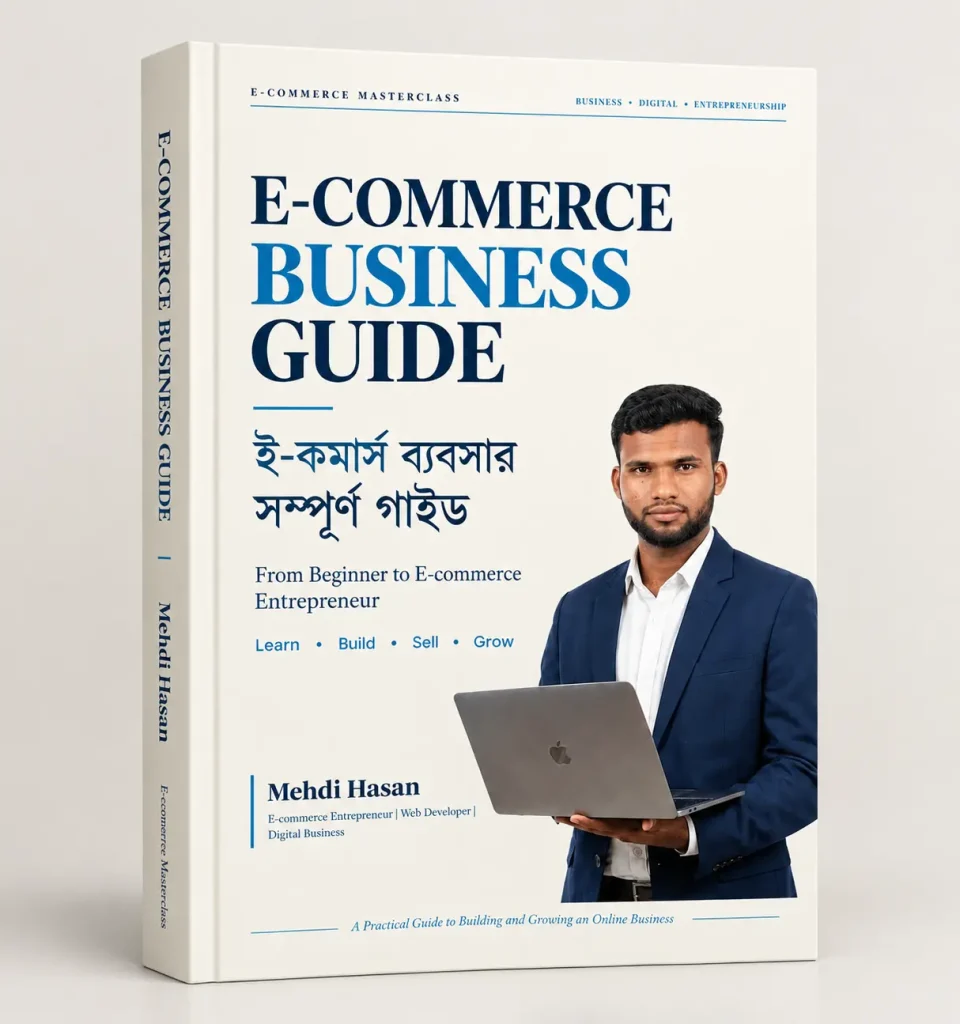
Introduction
In today’s digital world, e-commerce has become one of the most powerful ways to start and grow a business. With the increasing use of smartphones, the internet, and digital payment systems, people are choosing online shopping because it is convenient, fast, and accessible. From clothing and electronics to books and home essentials, almost everything can now be purchased online.
An e-commerce business allows entrepreneurs to sell products or services through the internet without necessarily opening a physical store. Whether you are a student, beginner, small business owner, or aspiring entrepreneur, starting an online business can be an exciting opportunity.
This E-Commerce Business Guide will help you understand the basics of e-commerce and learn how to build, manage, and grow a successful online business.
- What Is E-Commerce?
E-commerce, or electronic commerce, refers to buying and selling products or services through the internet. Customers can browse products, place orders, make digital payments, and receive their purchases without visiting a physical shop.
Popular e-commerce platforms include Amazon, Flipkart, Meesho, and Shopify. These platforms have made online shopping easier for both customers and sellers.
- Types of E-Commerce Business Models
Before starting an online business, it is important to understand the different business models.
B2C (Business to Consumer): Businesses sell products directly to customers.
B2B (Business to Business): One business sells products or services to another business.
C2C (Consumer to Consumer): Individuals sell products to other individuals.
D2C (Direct to Consumer): Manufacturers or brands sell directly to customers without intermediaries.
Choosing the right business model depends on your products, target audience, and business goals.
- How to Start an E-Commerce Business
Starting an e-commerce business does not always require a large investment. With proper planning and the right strategy, beginners can start small and gradually expand.
Here are some important steps:
Step 1: Choose Your Product
Select products that people need and are interested in buying. Examples include clothing, electronics accessories, home and kitchen products, books, and lifestyle items.
Step 2: Research Your Market
Understand your target customers, competitors, product demand, and pricing. Market research helps you make better business decisions.
Step 3: Select Your Selling Platform
You can start selling through marketplaces like Flipkart and Meesho or create your own e-commerce website using WordPress and WooCommerce.
Step 4: Create Your Online Store
Build a professional online store with attractive product images, clear descriptions, easy navigation, and secure payment options.
Step 5: Manage Orders and Delivery
Choose reliable delivery partners, maintain proper inventory, and provide customers with accurate order updates.
- Importance of Digital Marketing in E-Commerce
Creating an online store is only the beginning. To attract customers and increase sales, you need effective digital marketing strategies.
Some important marketing methods include:
SEO (Search Engine Optimization): Improve your website’s visibility on search engines.
Social Media Marketing: Promote products through Facebook, Instagram, and other social platforms.
Content Marketing: Publish useful blogs, articles, and product-related content.
Facebook Advertising: Reach potential customers through targeted advertising.
Email Marketing: Share product updates, offers, and business news with interested customers.
A combination of these strategies can help increase website traffic, build brand awareness, and generate sales.
- Challenges of Running an E-Commerce Business
Every business has challenges, and e-commerce is no exception. Beginners may face difficulties such as strong competition, product returns, delivery delays, inventory management, customer trust, and marketing costs.
However, these challenges can be managed through proper planning, quality products, transparent policies, excellent customer service, and continuous learning.
- Tips for Building a Successful Online Business
Success in e-commerce requires patience, consistency, and smart decision-making.
Focus on product quality and customer satisfaction.
Use professional product photography.
Keep product descriptions clear and informative.
Offer transparent pricing and delivery information.
Build trust through genuine customer reviews.
Monitor business performance regularly.
Keep learning about new marketing and e-commerce trends.
Conclusion
E-commerce is more than just selling products online; it is about building a business, understanding customers, and creating long-term value. You do not need to start with a perfect business or a huge investment. What matters most is having a clear plan, learning the right skills, and taking consistent steps forward.
The journey from beginner to successful online entrepreneur starts with knowledge and action.
E-Commerce Business Guide – From Beginner to E-Commerce Entrepreneur.
Learn • Build • Sell • Grow
Explore more business knowledge, digital solutions, and online growth resources with SMART MPA.